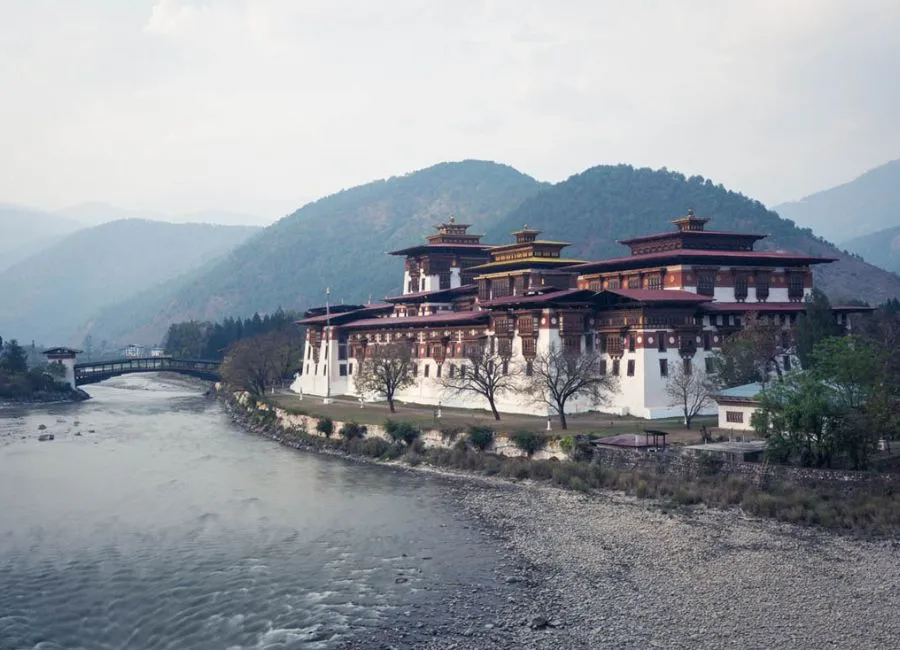
Happy In-depth Tours, based in Thimphu, Bhutan, specializes in thoughtfully curated tours and travel experiences, delivering seamless service, personalized attention, and extraordinary journeys across Bhutan.

EXPLORE
TRONGSA
Where Ancient Fortresses Embrace Himalayan Beauty
Discover the timeless allure of Trongsa, the historic heart of Bhutan, where majestic dzongs, sacred monasteries, and dramatic Himalayan landscapes weave together a captivating story of the kingdom’s glorious past. Perched among rugged mountains and deep valleys, Trongsa invites you to wander through centuries-old heritage, embrace moments of spiritual serenity, and admire breathtaking vistas at every turn. With every winding road revealing another treasure, Trongsa offers an enchanting journey into Bhutan’s culture, history, and timeless mountain beauty.
TOP SIGHTSEEINGS
Trongsa Dzong: A Fortress of History and Heritage
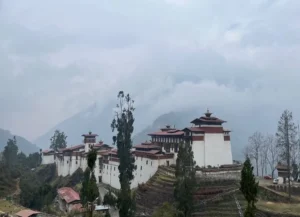
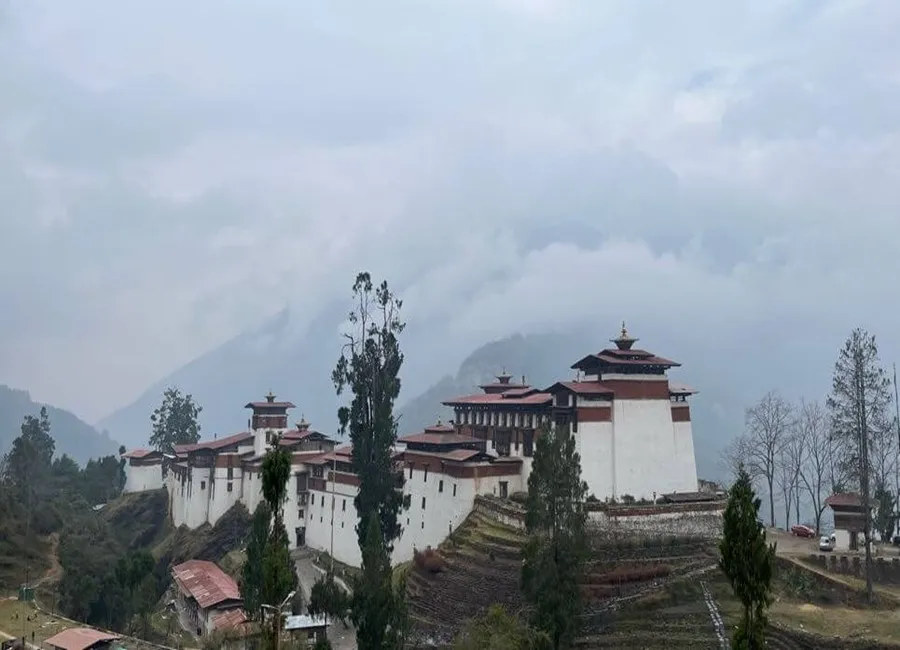
Trongsa Dzong, also known as Druk Minjur Chhoekhor Rabten Tse, is one of Bhutan’s remarkable historic fortresses. Located in Trongsa, central Bhutan, it occupies a strategic position overlooking the Mangde Chhu gorge. The present dzong was built in 1647 by Chhoeje Minjur Tenpa, the first Trongsa Penlop, on a site associated with Yongzin Ngagi Wangchuk, who established a meditation center there in the 16th century. The fortress was later expanded in the late 17th century.
For centuries, Trongsa Dzong served as an important seat of political power over central and eastern Bhutan. It also holds special significance for Bhutan’s monarchy, as future kings traditionally served as Trongsa Penlop before ascending the throne. Today, the dzong houses the district administration and a monastic body, making it a living center of Bhutanese heritage.
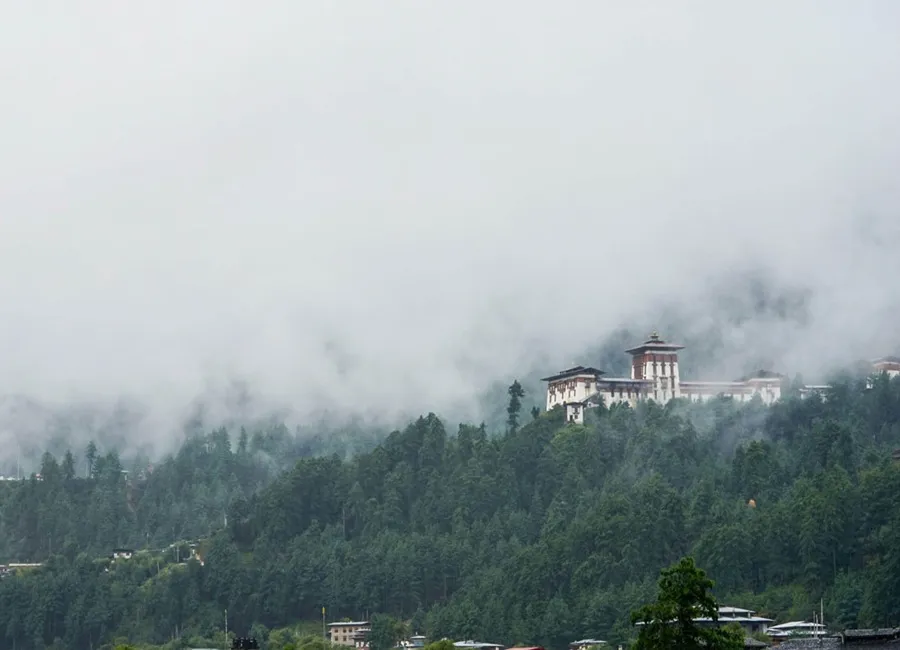
Perched above the historic Trongsa Dzong, the Royal Heritage Museum, housed in the 17th-century Ta Dzong, offers a fascinating glimpse into Bhutan’s royal and cultural history. The watchtower was built in 1652 by Chogyal Minjur Tempa, the first Trongsa Penlop, as a strategic defensive structure. Restored and transformed into a museum, it officially opened to the public in 2008. The museum is dedicated to Bhutan’s monarchy and showcases collections associated with the Wangchuck dynasty, religious traditions, and Trongsa’s history. Visitors can explore galleries displaying royal belongings, sacred objects, sculptures, textiles, arms and armor, paintings, and other important cultural artifacts. The museum also houses two lhakhangs dedicated to King Gesar of Ling and Buddha Maitreya. A visit to this remarkable museum provides a meaningful journey through Bhutan’s royal heritage and artistic traditions.
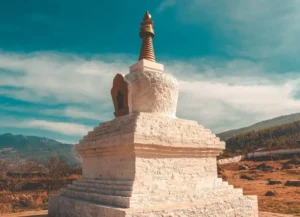
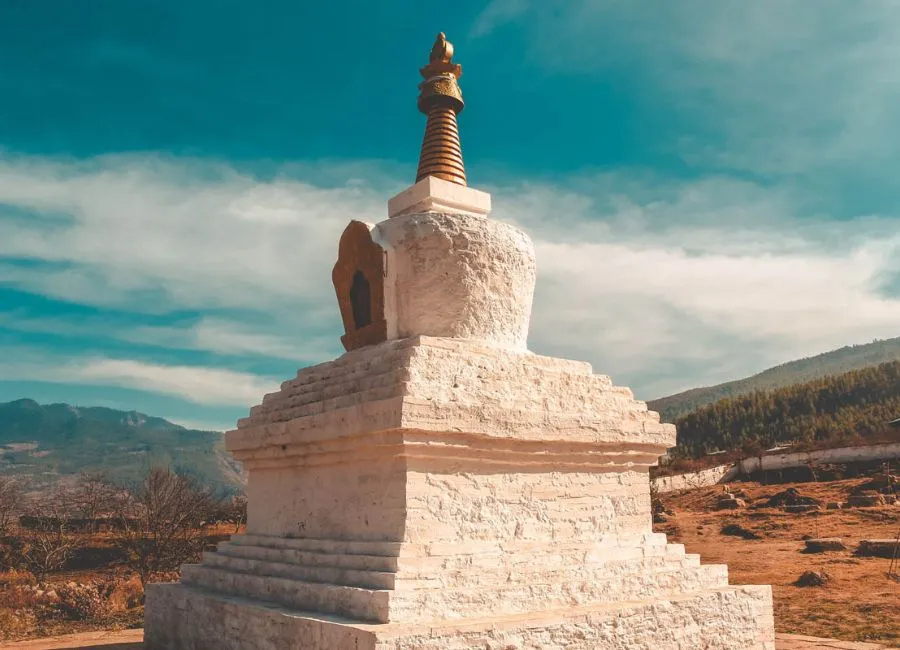
Chendebji Chorten is one of Trongsa’s most distinctive religious landmarks, located about 41 kilometers west of Trongsa town along the highway toward Wangdue Phodrang. Built in the 18th century by Lama Ngesup Tshering Wangchuk, the chorten is known for its unusual Nepali-style design, inspired by the great Buddhist stupas of Nepal. Its whitewashed, rounded structure is crowned by a spire, while painted eyes gaze from its four sides, symbolizing the Buddha’s watchful presence. According to local tradition, the chorten was built to subdue a powerful evil spirit believed to have troubled the area. Today, Chendebji Chorten remains an important religious site and a popular stop for travelers journeying through central Bhutan. Surrounded by peaceful mountain scenery, it offers visitors a meaningful glimpse into Bhutan’s Buddhist heritage, architecture, and enduring spiritual traditions.
Kuenga Rabten Palace, located about 23 kilometers from Trongsa, is a historic royal residence and an important site associated with Bhutan’s early monarchy. The palace served as the winter residence of the Second King of Bhutan, Jigme Wangchuck. The scenic journey from Trongsa takes visitors through open countryside, farming areas, villages, and landscapes above a river gorge.
The palace is admired for its traditional Bhutanese architecture, fine woodwork, and decorative details. Its upper floor includes an altar room with sacred images of Shakyamuni Buddha, Zhabdrung Ngawang Namgyal, and Guru Rinpoche. Part of the palace is also used as a library.
A visit to Kuenga Rabten offers travelers a peaceful cultural experience while providing valuable insight into Bhutan’s royal history and heritage.