Happy In-depth Tours, based in Thimphu, Bhutan, specializes in thoughtfully curated tours and travel experiences, delivering seamless service, personalized attention, and extraordinary journeys across Bhutan.

EXPLORE
PUNAKHA
The Old Capital
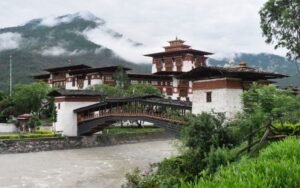
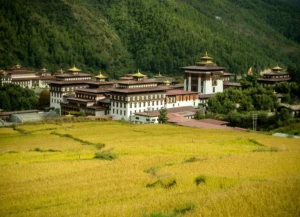
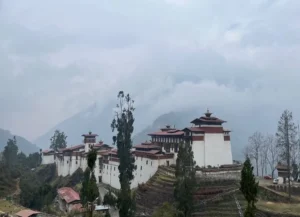
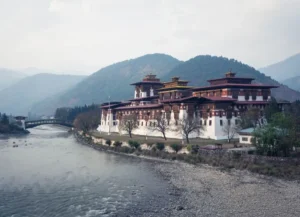
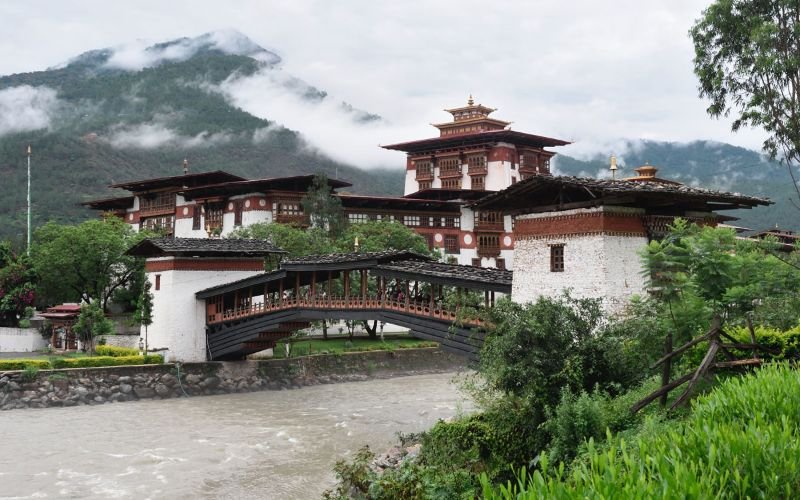
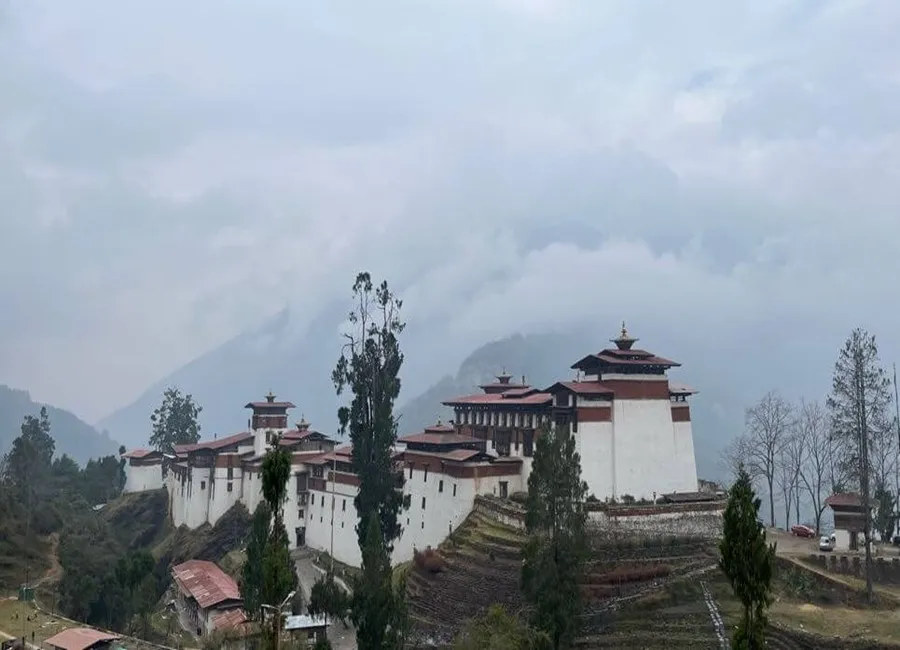
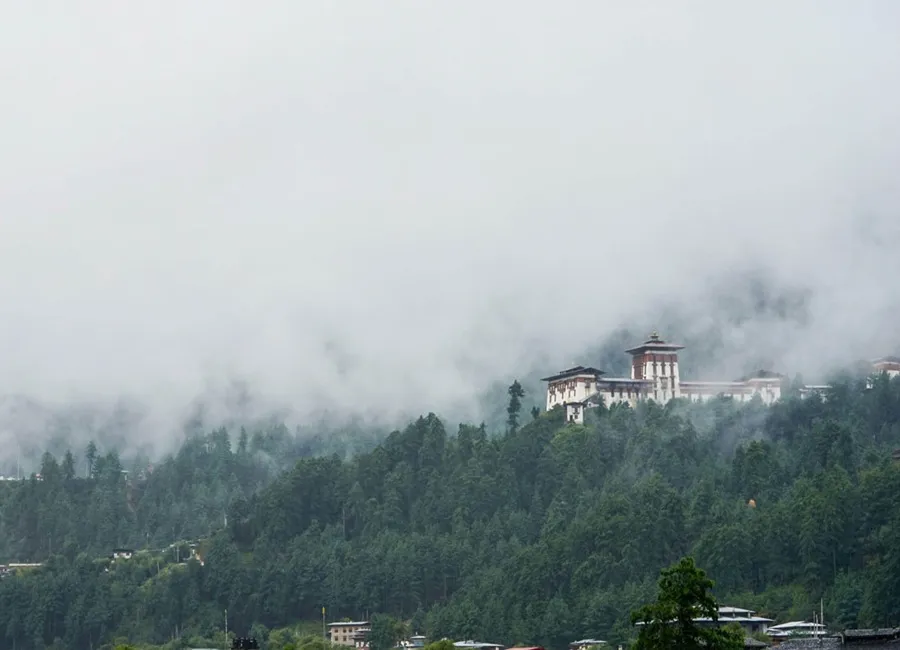
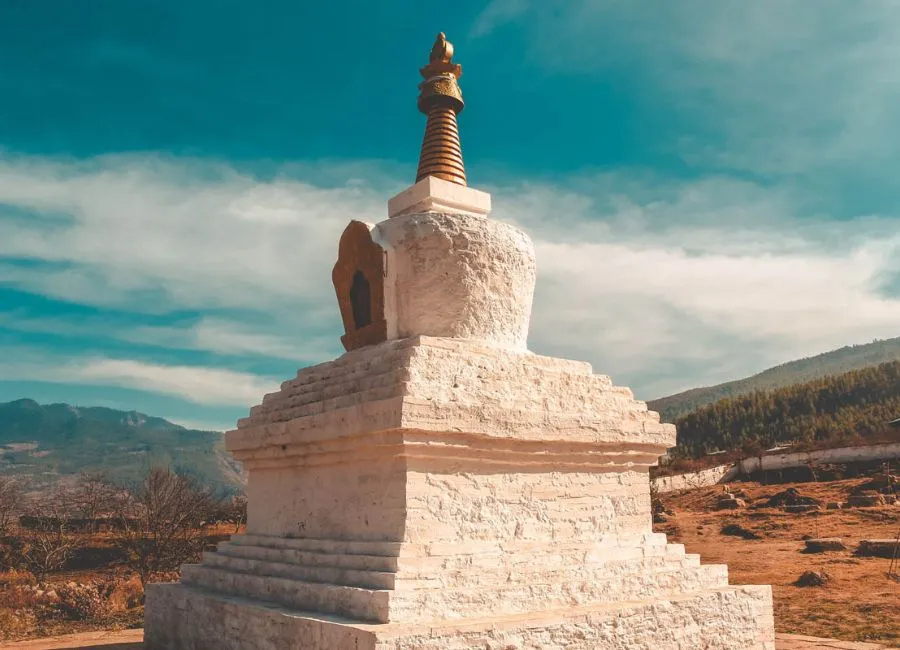
Punakha unfolds beneath emerald-clad hills, where crystal-clear rivers meander gracefully beside ancient temples and sacred traditions. Its magnificent dzong, adorned with timeless Bhutanese artistry, stands as a symbol of elegance, devotion, and serenity. Across its verdant valleys, stories of harmony and spiritual heritage linger in the gentle mountain breeze. A captivating jewel of Bhutan, Punakha welcomes travelers to immerse themselves in breathtaking landscapes, discover enduring traditions, and experience the peaceful rhythm of Himalayan life.
TOP SIGHTSEEINGS
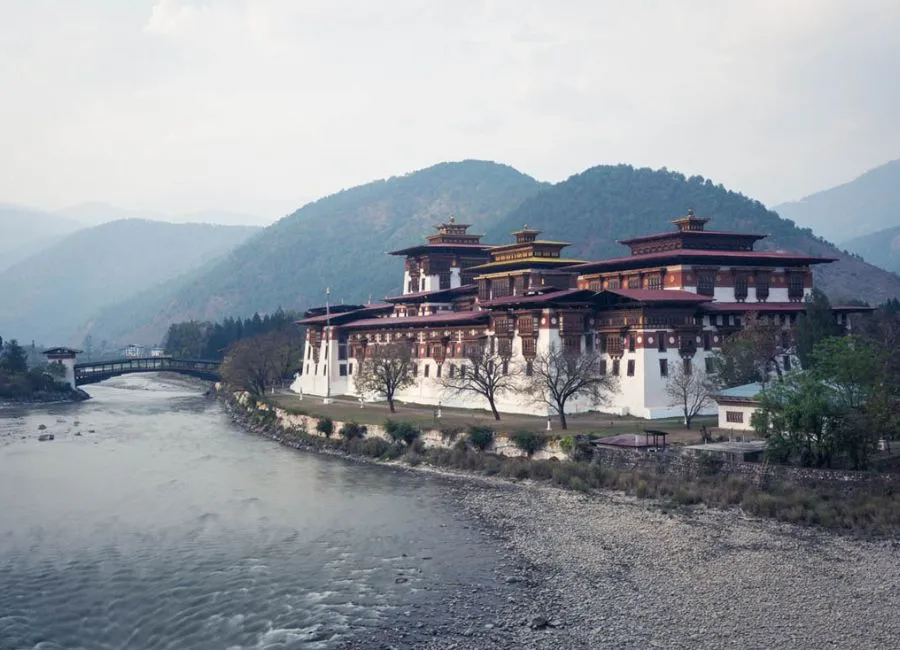
Punakha Dzong, officially known as Pungthang Dewa Chenpoi Phodrang, meaning “Palace of Great Happiness or Bliss,” is one of Bhutan’s most remarkable historic landmarks. Built by Zhabdrung Ngawang Namgyal in 1637–38, the dzong stands dramatically at the confluence of the Pho Chhu and Mo Chhu rivers in Punakha. It served as an important religious and administrative center and remained the seat of Bhutan’s government until the capital moved to Thimphu in 1955. Today, it continues to hold great religious significance as the winter residence of Bhutan’s Central Monastic Body. The dzong also houses sacred relics, including Rangjung Kasarpani and the sacred remains of Zhabdrung Ngawang Namgyal and Tertön Pema Lingpa. Surrounded by fertile landscapes and jacaranda trees, Punakha Dzong offers visitors a memorable glimpse into Bhutan’s history, spirituality, and architecture.
Chimi Lhakhang, nestled on a round hillock near Lobesa in Punakha, is one of Bhutan’s most distinctive Buddhist temples. Built in 1499 by Ngawang Choegyel, the 14th Drukpa hierarch, it stands on a site associated with the revered Tibetan saint Drukpa Kunley, popularly known as the “Divine Madman.” According to tradition, Drukpa Kunley subdued a demon at this location and built a chorten here. Today, Chimi Lhakhang is widely known as Bhutan’s Fertility Temple. Couples and pilgrims visit to seek blessings for children, while the temple’s wooden phallus is an important religious symbol connected with Drukpa Kunley. Reaching the temple is part of the experience, with a gentle walk from Sopsokha through rice and mustard fields and traditional village surroundings. A visit offers a memorable glimpse into Bhutanese faith, folklore, and cultural traditions.
Punakha Suspension Bridge: A Scenic Walk Above the Pho Chhu
The Punakha Suspension Bridge is one of the most memorable attractions in Punakha, Bhutan. This pedestrian bridge crosses the Pho Chhu River and stands close to the magnificent Punakha Dzong. According to the Punakha Dzongkhag Administration, the bridge spans approximately 230 meters and is about 1.2 meters wide. Built with steel cables and wooden planks, it offers visitors an exciting crossing experience as the bridge gently sways beneath their feet.
The bridge is decorated with colorful Buddhist prayer flags, adding to its distinctive character and atmosphere. From the walkway, visitors can enjoy views of the river, surrounding mountains, and the lush Punakha Valley. A visit to the bridge can easily be combined with Punakha Dzong, making it a worthwhile stop for travelers seeking scenery, culture, and a memorable Bhutanese experience.
Talo Village: A Peaceful Highland Gem of Punakha.
Talo Village, perched on the hills above Punakha Valley, is a picturesque Bhutanese community known for its clean surroundings, farmhouses, and scenic views. Located at about 2,800 meters above sea level, the village stretches along the slopes, with fields where corn and sweet peas are grown. Its houses are traditionally designed and surrounded by flower gardens.
At the heart of the village is Talo Sangnacholing, a revered Buddhist monastery built on a small plateau overlooking the surrounding villages and valley. Talo is also associated with the successive mind incarnations of Zhabdrung Ngawang Namgyal.
Visitors can experience rural Bhutanese life, enjoy walks, and explore its cultural heritage. The annual three-day Talo Tshechu, featuring mask dances, Atsara performances, and traditional Zhungdra, adds to its cultural significance.