Happy In-depth Tours, based in Thimphu, Bhutan, specializes in thoughtfully curated tours and travel experiences, delivering seamless service, personalized attention, and extraordinary journeys across Bhutan.

EXPLORE
TRASHIGANG
Experience Bhutan's Authentic Eastern Charm
Perched amid verdant valleys and mist-shrouded mountains, Trashigang unfolds as a captivating gateway to the timeless soul of eastern Bhutan. Ancient monasteries, vibrant traditions, and graceful Bhutanese heritage create an atmosphere rich with serenity and charm. Here, warm hospitality meets breathtaking Himalayan scenery, inviting travelers to wander beyond the familiar and embrace authentic cultural encounters. From sacred landmarks to peaceful landscapes, Trashigang promises a refined journey filled with beauty, discovery, and unforgettable moments.
TOP SIGHTSEEINGS
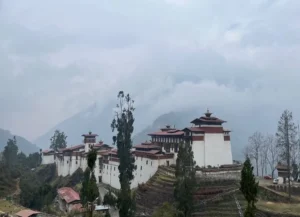
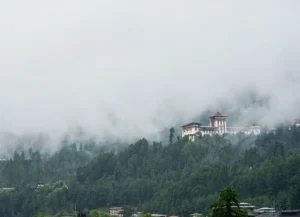
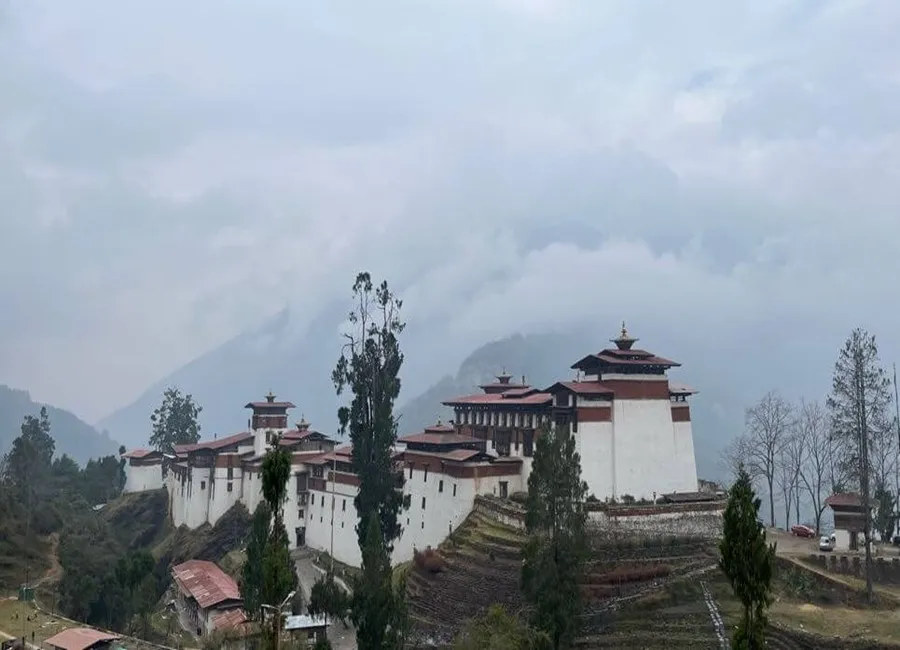
Trashigang Dzong, also known as the Fortress of the Auspicious Hill, is one of eastern Bhutan’s important historic landmarks. Built in 1659 by Chhogyal Minjur Tenpa, the dzong was established following a prophecy of Zhabdrung Ngawang Namgyal. Its hilltop location overlooks the Drangme Chhu and Gamri Chhu, giving it a commanding setting and strategic importance. The fortress played a significant role in the governance and defense of eastern Bhutan and later developed as an important religious center. It was expanded over the centuries, including additions made during the 1680s and further works in 1936. Today, Trashigang Dzong serves as the seat of the Dzongkhag Rabdey and administration. It also hosts the annual Trashigang Tshechu, a major religious festival that brings communities from across the region together to celebrate Bhutan’s living cultural traditions.
Gom Kora, in eastern Bhutan’s Trashigang District, is a sacred pilgrimage site associated with Guru Padmasambhava, who is believed to have subdued an evil spirit here in the eighth century. The name comes from the words “Gomphu,” meaning meditation cave, and “Kora,” meaning circumambulation. A temple stands beside the rock cave connected with this sacred legend. According to tradition, Guru Rinpoche meditated inside the cave for three days before overcoming the spirit, Myongkhapa, who later became the guardian deity of the site. Gom Kora is especially revered by Buddhist pilgrims, who come to circumambulate the temple and sacred rock. The annual Gom Kora Tshechu also draws devotees and visitors alike, offering an opportunity to experience Bhutanese religious traditions, mask dances, and communal celebrations during festivals in a deeply spiritual setting.
Rangjung Woesel Choeling Monastery, located in Rangjung under Trashigang District in eastern Bhutan, is an important center of Buddhist study and practice. Founded in 1989 by His Eminence Dungsey Garab Dorje Rinpoche, the monastery began with a small number of monks and nuns. It was established to provide a conducive place for studying and practicing Buddha Dharma according to the Dudjom New Treasure Lineage. Today, it has grown into a thriving monastic community with branch monasteries and retreat centers. The monastery also supports Dharma activities for the benefit of Buddhist communities in Bhutan and abroad. Its peaceful setting and living spiritual traditions make it a meaningful place to visit while exploring eastern Bhutan. For travelers interested in Bhutanese Buddhism, Rangjung Woesel Choeling offers an opportunity to experience an active center of learning, devotion, and religious practice.
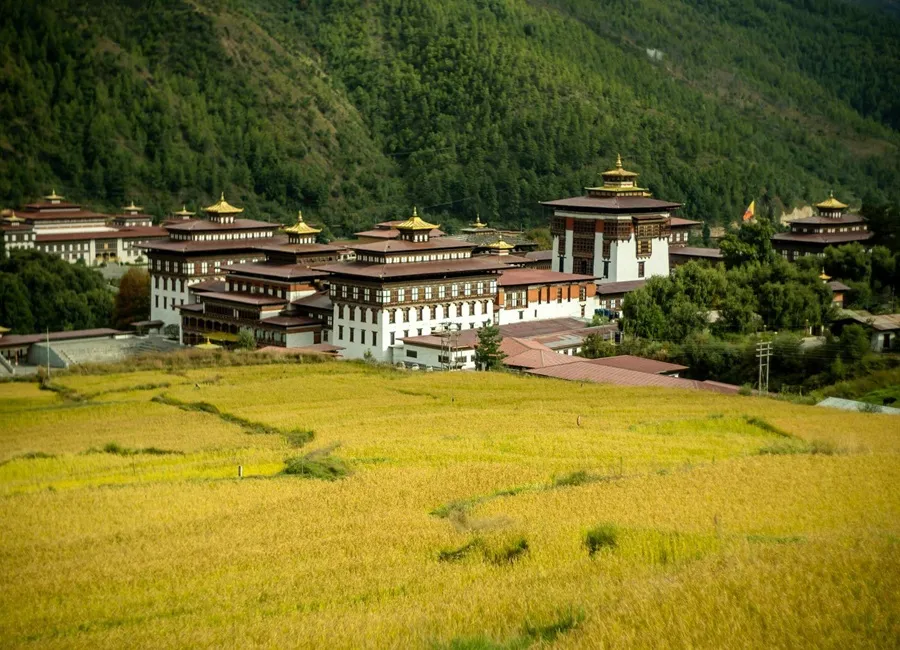
Radhi Village, located about 27 km east of Trashigang, is one of eastern Bhutan’s notable agricultural and weaving communities. Set on a north-facing slope, Radhi covers about 29 square kilometres, with elevations ranging from 1,080 to 3,220 metres. The area is widely known as the “Rice Bowl of the East” for its productive paddy fields, with rice being an important crop for both local consumption and sale.
Beyond farming, Radhi is renowned for its traditional weaving. Local artisans produce bura, a fine raw-silk textile, using traditional back-strap looms and traditional dyeing techniques. During the agricultural off-season, weaving becomes an important livelihood for many families. With its green fields, traditional rural setting, and living textile heritage, Radhi offers visitors an authentic glimpse into the agricultural and cultural traditions of eastern Bhutan.