Happy In-depth Tours, based in Thimphu, Bhutan, specializes in thoughtfully curated tours and travel experiences, delivering seamless service, personalized attention, and extraordinary journeys across Bhutan.

EXPLORE
PARO
A Town Where Traditions and Tranquility Meet
Paro unfolds beneath Bhutan’s majestic emerald mountains, where ancient monasteries, sacred temples, and crystal-clear rivers create a landscape of timeless beauty. Its charming streets gracefully preserve Bhutanese traditions, inviting travelers to experience a world of culture, spirituality, and serenity. From the iconic Tiger’s Nest perched dramatically above the valley to tranquil rivers and lush countryside, Paro offers an enchanting escape where every moment feels soulful, authentic, and unforgettable—a graceful journey into the heart of Bhutan.
TOP SIGHTSEEINGS
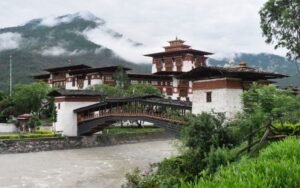
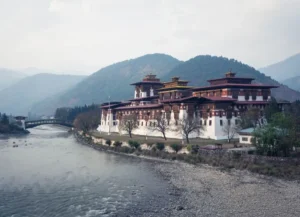
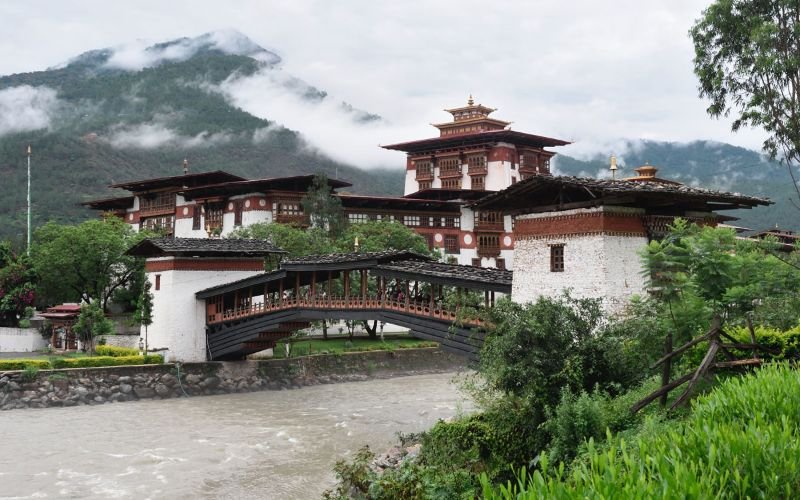
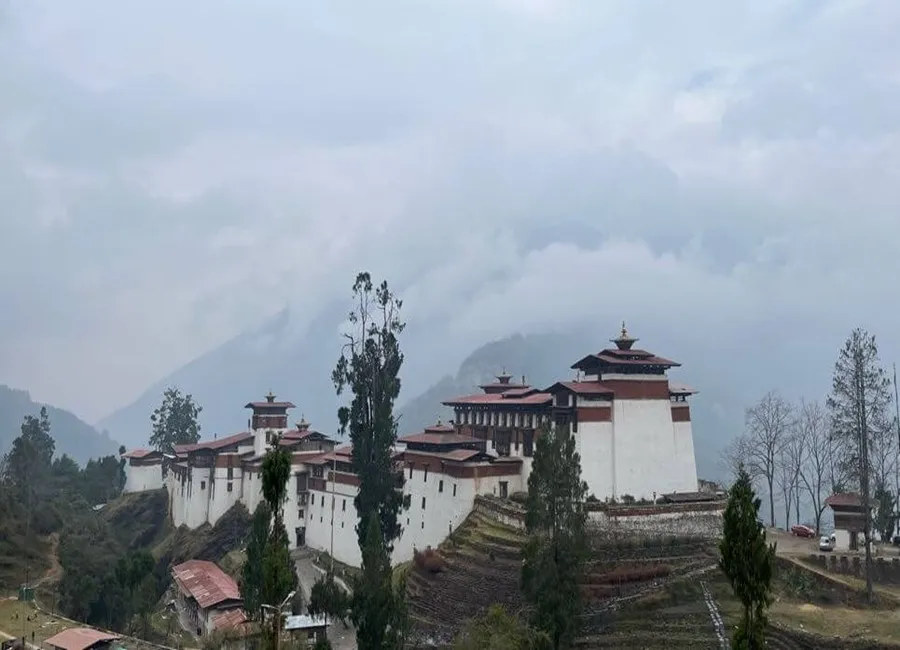
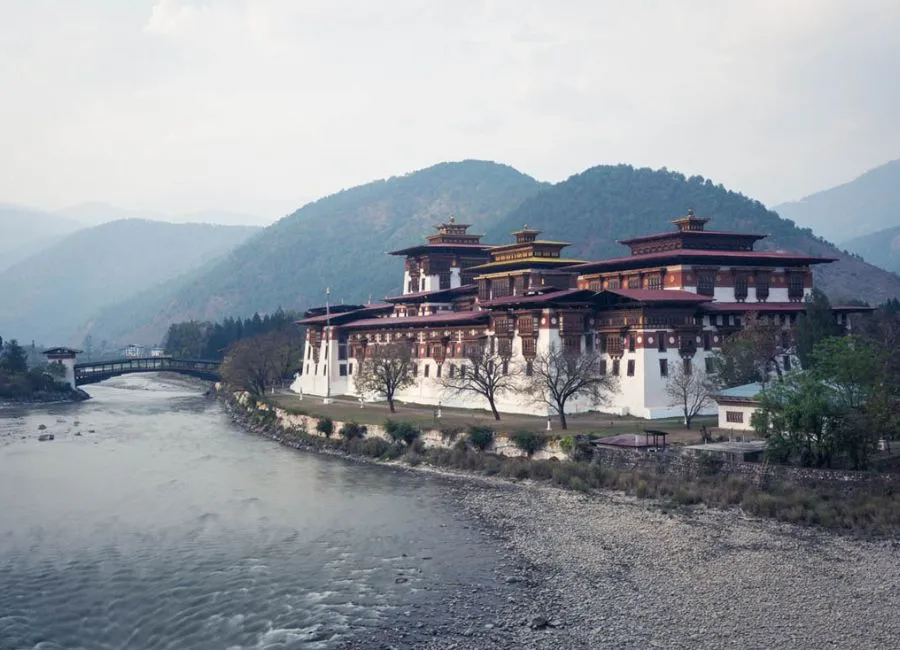
Paro Dzong, officially known as Rinpung Dzong, is one of Bhutan’s most impressive architectural landmarks. Standing above the Paro Valley, it is renowned for its massive stone walls, traditional Bhutanese design, and beautiful views of the surrounding mountains. The dzong was built in the 17th century by Zhabdrung Ngawang Namgyal and became an important administrative and religious center in western Bhutan. Its name, Rinpung Dzong, means “Fortress of the Heap of Jewels.” The complex houses monastic quarters and government offices, reflecting Bhutan’s traditional system of religious and secular administration. Visitors can explore its courtyards, temples, wooden galleries, and intricate paintings while experiencing the country’s rich cultural heritage. Paro Dzong is also associated with Bhutan’s annual religious festivals, when vibrant masked dances and traditional ceremonies bring the historic fortress to life. It remains a cherished symbol of Bhutanese culture and history.
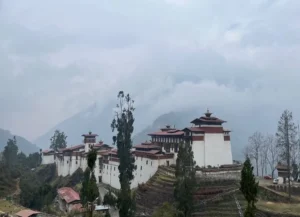
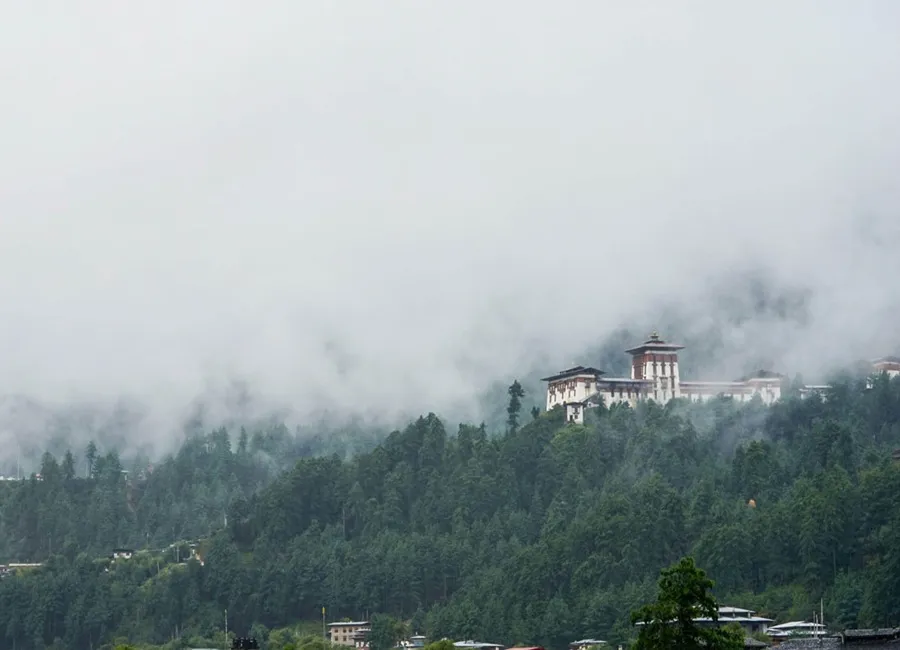
Perched above the historic Rinpung Dzong, the National Museum of Bhutan in Paro offers a fascinating journey through the country’s rich cultural heritage. Housed in the historic Ta Dzong, the building was constructed in 1649 by La Ngonpa Tenzin Drugdra, the first Paro Penlop, as a watchtower to protect Rinpung Dzong. In 1968, it was inaugurated as Bhutan’s first national museum.
Today, the museum preserves and showcases more than 3,000 artifacts representing Bhutan’s religious, artistic, cultural, and natural heritage. Its collections include ancient objects, thangka paintings, bronze statues, traditional weapons, textiles, and other significant cultural treasures. The museum also presents Bhutan’s history from early periods to contemporary times. A visit to the National Museum provides travelers with valuable insight into Bhutan’s traditions, craftsmanship, history, and enduring cultural identity.
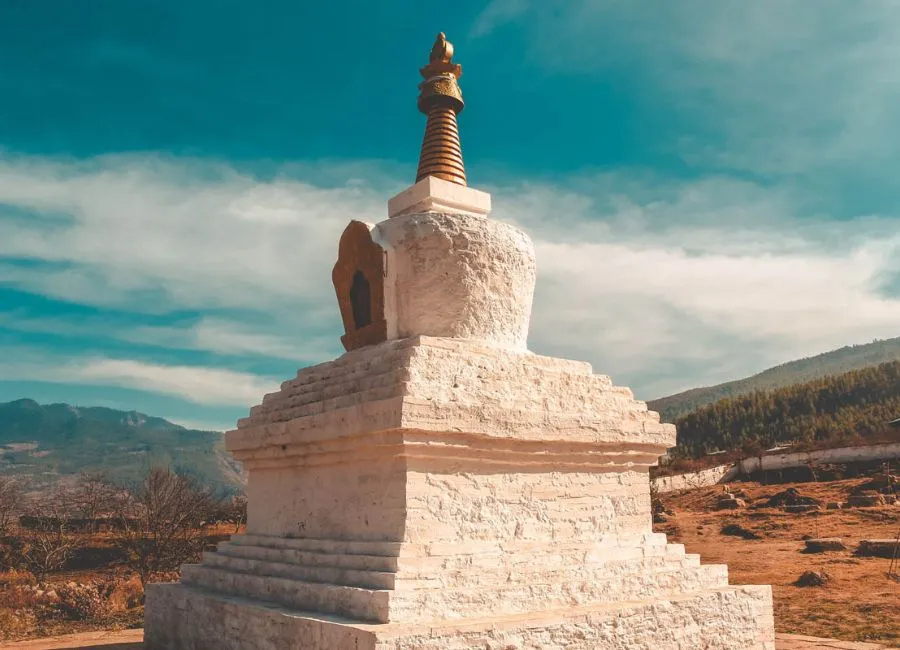
Dumtse Lhakhang, also known as Jangtsa Dumtseg Lhakhang, is one of Paro’s most distinctive religious landmarks. Built by the revered Tibetan saint Thangtong Gyalpo in the 15th century, the temple is remarkable for its unusual chorten-shaped design. Its three levels are traditionally associated with the realms of hell, earth, and heaven, creating a sacred architectural representation of Buddhist cosmology. Inside, visitors can admire richly detailed murals depicting Buddhist deities, teachers, and spiritual figures. The temple’s interior is designed around a central core, creating a mandala-like experience as visitors move through its levels. Dumtse Lhakhang was restored in the 19th century, helping preserve its important artistic and religious heritage. Located near Paro town, it offers travelers a fascinating glimpse into Bhutan’s spiritual traditions, historic architecture, and extraordinary Buddhist artistry.
Kyichu Lhakhang, located a few kilometres from Paro town, is one of Bhutan’s oldest and most sacred temples. The original temple dates back to the seventh century and is traditionally attributed to Tibetan King Songtsen Gampo. It is associated with the tradition of the 108 temples built to subdue a demoness believed to obstruct the spread of Buddhism. The temple’s principal sacred image is Jowo Shakyamuni, making Kyichu an important pilgrimage site for Buddhists. The complex consists of two temples, with the second built in 1968 by Ashi Kesang Choden, the Queen Mother of Bhutan, following the original architectural style. Visitors can experience the temple’s peaceful courtyard, prayer wheels, sacred images, and enduring spiritual atmosphere. A visit to Kyichu Lhakhang offers a meaningful glimpse into Bhutan’s ancient Buddhist heritage, living traditions, and religious history.
Taktshang Monastery, popularly known as Tiger’s Nest, is one of Bhutan’s most revered and iconic landmarks. Perched dramatically on a cliff about 900 meters above the Paro Valley floor, it offers a remarkable blend of spiritual significance and breathtaking mountain scenery. According to Bhutanese tradition, Guru Rinpoche (Padmasambhava) came to this sacred site in the 8th century and meditated in a cave, arriving on the back of a tigress. The monastery was later constructed around the sacred meditation cave by Gyalse Tenzin Rabgye, with construction beginning in 1692 and completed in 1694. Taktshang was severely damaged by a fire in 1998 and subsequently restored. Today, visitors hike through pine forests and across mountain trails to reach this sacred monastery, experiencing both Bhutan’s natural beauty and its deep Buddhist heritage along the way.